TCS (Tax Collected at Source) return is a formal report that sellers or service providers are required to file periodically (usually quarterly) to disclose the TCS they have collected on specified transactions as specified under the provisions of Income Tax Act. The TCS Return collected is then deposited with the government by the seller.
The TCS (Tax Collected at Source) return is governed by provision of section 206C of the Income Tax Act, 1961 in India. This provision mandates that sellers of specified goods and services collect tax at source on transactions, with rates varying depending on the nature of the goods, such as alcohol, jewellery and certain minerals. Sellers are required to file TCS returns quarterly using Form 27EQ, detailing the total TCS collected and deposited with the government.
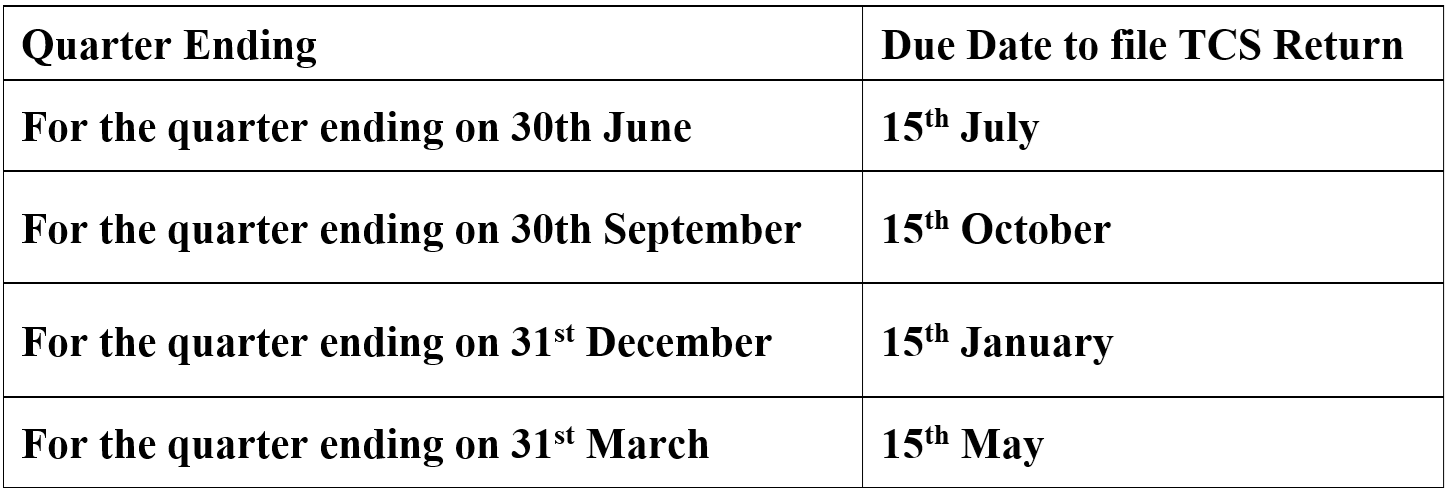
These returns must be submitted by specific due dates, typically the 15th of the month following the end of each quarter. Compliance with these regulations is crucial, as failure to file timely returns or to deposit the collected tax can result in penalties and interest charges. This return includes details such as:
- The total amount of TCS collected during the reporting period.
- Detail of challans as a proof of TCS deposited with tax department
- A breakdown of transactions categorized by the type of goods or services.
- Information about the buyers such as name, PAN etc.
1. Importance of TCS Return
- Compliance with Tax Laws: Filing TCS returns is a legal obligation for businesses that engage in transactions covered under TCS provisions and collect TCS from the buyer. These compliances help to avoid penalties and legal repercussions.
- Revenue Generation for the Government: TCS play an important part for the government to collect revenue efficiently at the source, which helps in better tax administration.
- Transparency and Accountability: TCS returns promote transparency in financial transactions and ensure that businesses account for tax liabilities accurately.
- Input Tax Credit: For buyers, TCS can be claimed as a credit against their tax liabilities, making it beneficial for their overall tax planning.
- Financial Management: For businesses, maintaining accurate records and filing TCS returns helps in better financial management and planning.
- Avoidance of Interest and Penalties: Timely filing of TCS returns helps businesses to avoid interest charges and penalties that may arise from late submission or non-compliance.
2. Benefits of filing TCS Return
- Legal Compliance: Helps businesses adhere to tax laws and avoid penalties.
- Revenue Generation: Ensures efficient tax collection at the source for the government.
- Transparency: Promotes clarity in financial transactions and tax liabilities.
- Input Tax Credit: Allows buyers to claim TCS as a credit against their tax obligations.
- Financial Management: Aids businesses in maintaining accurate financial records.
- Avoids Penalties: Timely filing prevents interest charges and legal consequences.
3. Due Date of Filing TCS Returns
Taxcellent’s CA Services will helps you in guiding about deduction and deposit of TCS along with timely filing of TCS returns.